
Dock Door Installation Costs Explained: Budgeting Tips for 2026
Installing a
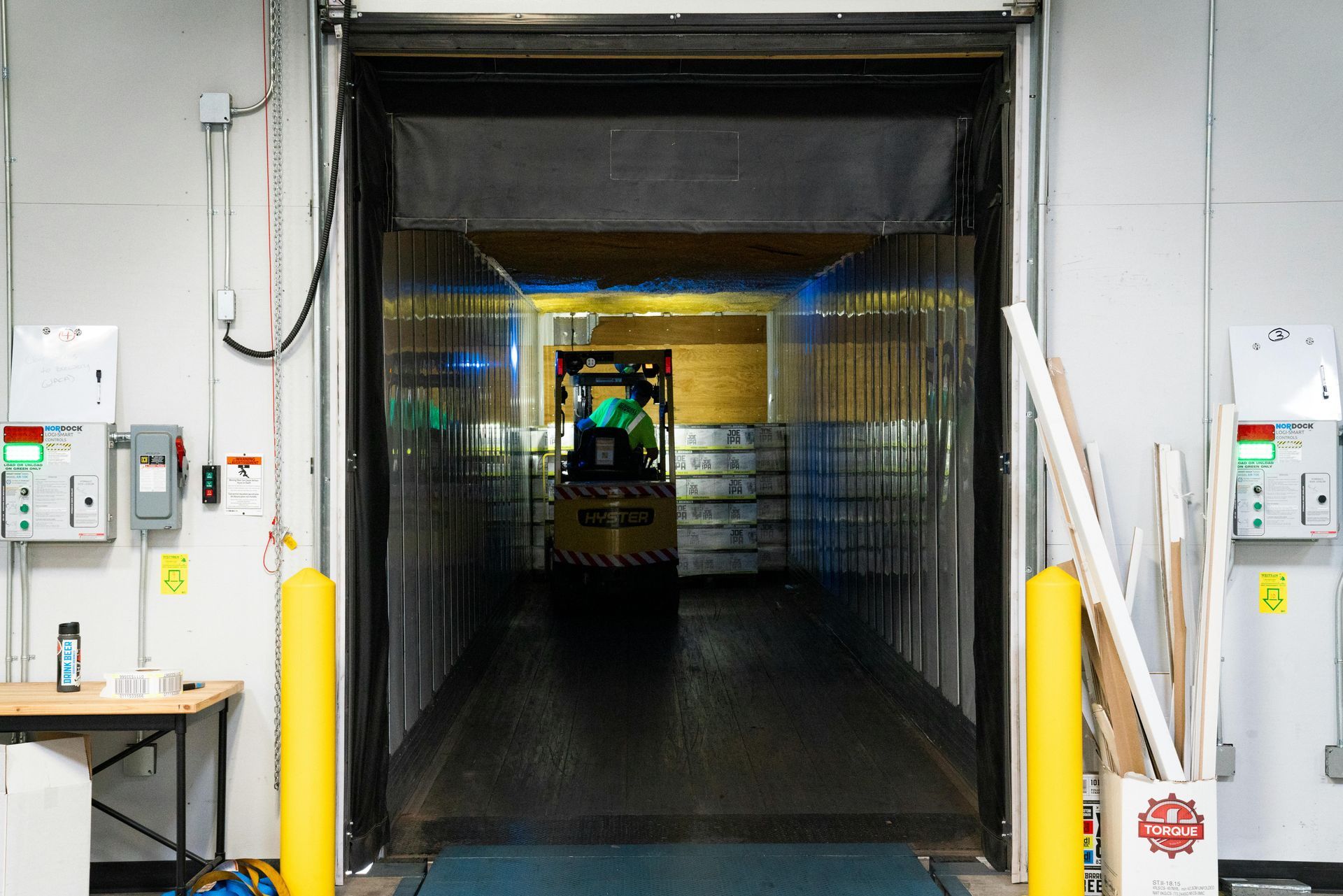
dock door may seem straightforward, but it involves more than just picking a model and hiring a technician. From warehouses to manufacturing facilities, commercial properties rely on dock doors for smooth operations. Understanding the costs associated with
dock door installation can help facility managers, business owners, and property managers plan effectively. This article breaks down the factors influencing costs, offers budgeting tips, and provides practical advice for a successful installation in 2026.
Key Takeaways
- Dock door installation costs vary depending on type, size, and material.
- Labor and professional installation fees are a significant portion of total costs.
- Maintenance and repair considerations can affect long-term budgeting.
- Energy efficiency and security features may increase upfront costs but save money over time.
- Understanding regional pricing differences is crucial for accurate budgeting.
- Planning ahead reduces unexpected expenses and ensures timely installation.
Factors Affecting Dock Door Installation Costs
Several factors influence the total cost of dock door installation. By understanding these, businesses can make informed decisions and avoid budget surprises.
1. Type of Dock Door
Dock doors come in various types, each affecting cost differently:
- Roll-Up Doors: Compact, space-saving, and commonly used in warehouses. Typically cost less upfront.
- Sectional Overhead Doors: Panels slide up and over the ceiling. Popular for commercial facilities with higher usage.
- High-Speed Doors: Designed for fast operations and energy efficiency. Usually more expensive due to advanced mechanisms.
- Insulated Doors: Help regulate temperature inside the facility. Slightly higher cost but improve energy efficiency.
The type of door chosen should match operational needs and facility design.
2. Material Choices
Materials affect both durability and cost. Common options include:
- Steel: Strong and durable, suitable for high-traffic areas. Moderate to high cost.
- Aluminum: Lightweight and resistant to corrosion. Often mid-range in price.
- Fiberglass or Vinyl: Suitable for low-traffic areas, lighter weight, and energy efficiency. Usually lower cost.
Selecting the right material ensures the door lasts longer and reduces repair expenses.
3. Size of the Door
Dock doors are not one-size-fits-all. Width and height directly influence pricing. Larger doors require stronger support structures and more materials, increasing both product and installation costs.
4. Labor and Installation Fees
Professional installation is typically recommended for commercial dock doors. Labor costs depend on:
- Regional labor rates
- Complexity of the installation
- Facility structure and accessibility
Installation fees can represent 30 to 50 percent of the total project cost.
5. Additional Features
Optional features can improve functionality but increase costs:
- Security locks and reinforced panels
- Remote operation systems
- Weatherproofing or insulated panels
- Sensors or safety mechanisms
While optional, these features often reduce long-term expenses by preventing damage and improving efficiency.
Average Dock Door Installation Costs in 2026
While prices vary widely, here is a general breakdown of expected costs:
| Dock Door Type | Average Cost (Material + Installation) |
|---|---|
| Roll-Up Door | $1,500 – $3,500 |
| Sectional Overhead Door | $2,000 – $5,000 |
| High-Speed Door | $5,000 – $10,000 |
| Insulated Door | $3,000 – $6,500 |
Note: These estimates include both the door itself and professional installation. Additional features and regional differences can increase costs.
Budgeting Tips for Dock Door Installation
Proper budgeting ensures a smooth installation without unexpected expenses. Here are strategies to keep your project on track:
1. Obtain Multiple Quotes
Contact several professional installers to compare pricing. Ensure quotes include labor, materials, and any optional features.
2. Include Contingency Funds
Unexpected issues, such as structural repairs or special material requirements, can arise during installation. Budgeting an extra 10 to 15 percent helps cover unforeseen costs.
3. Plan for Long-Term Maintenance
Dock doors require regular maintenance to function efficiently. Include ongoing maintenance costs in your budget to extend the life of the door and prevent downtime.
4. Consider Energy Efficiency
Investing in insulated or high-speed doors may increase upfront costs but can reduce heating and cooling expenses over time. Factor in energy savings when evaluating options.
5. Assess Facility Needs
Choose a door that matches traffic, security, and operational requirements. Overspending on features not needed can inflate costs unnecessarily.
Preparing for Dock Door Installation
Preparation can save time and money. Here are steps to follow before installation begins:
Conduct a Facility Assessment
Evaluate the current loading dock structure. Measure dimensions accurately and identify any structural modifications needed.
Check Local Regulations
Some municipalities have building codes or safety standards for commercial dock doors. Ensure compliance to avoid delays or fines.
Schedule During Low-Traffic Periods
Installing a dock door can disrupt operations. Plan installation during off-peak periods to minimize impact.
Coordinate with Other Contractors
If other work is being done, such as electrical upgrades or structural modifications, coordinate schedules to avoid conflicts and reduce overall project time.
Common Installation Challenges
Even with preparation, certain challenges can arise during dock door installation:
- Structural Issues: Weak walls or frames may need reinforcement.
- Weather Delays: Outdoor installations can be affected by rain, snow, or extreme temperatures.
- Complex Mechanisms: High-speed or automated doors require specialized knowledge for safe installation.
- Equipment Access: Large doors or cranes may be needed for heavy components.
Understanding these challenges helps set realistic timelines and avoid unexpected expenses.
Professional vs. DIY Installation
While some property managers consider DIY, commercial dock doors often require professional expertise:
Benefits of Hiring Professionals
- Ensures safety and compliance with building codes
- Reduces risk of damage to equipment or facility
- Maintains manufacturer warranties
DIY Considerations
- Potentially lower labor costs
- Requires specialized tools and knowledge
- Higher risk of installation errors and safety hazards
For most commercial projects, hiring a professional installer is recommended to ensure quality and efficiency.
Maintenance and Longevity Considerations
Investing in proper maintenance extends the life of dock doors and prevents costly repairs:
Routine Maintenance Tips
- Inspect door tracks and rollers monthly
- Lubricate moving parts to reduce wear
- Check seals and insulation for damage
- Test automatic systems and safety sensors
Signs of Wear
- Difficulty opening or closing
- Strange noises during operation
- Visible dents or rust
- Malfunctioning sensors
Early detection of issues can prevent full replacements and reduce downtime.
DIY vs. Professional Installation: Which is Right for You?
When it comes to installing a dock door, one of the first decisions a business owner or facility manager faces is whether to attempt a DIY installation or hire a professional. Each approach has its advantages and challenges, and understanding these can help you make an informed choice that fits your facility’s needs, budget, and safety requirements.
DIY Installation: Pros and Cons
Some property managers consider installing a dock door themselves to save on labor costs. While this approach can work in certain situations, it comes with significant considerations.
Pros of DIY Installation:
- Lower Labor Costs: You can save on professional labor fees, which can be a large portion of the total installation cost.
- Flexibility: You can schedule the installation according to your convenience without coordinating with external contractors.
- Hands-On Control: DIY allows you to oversee every step of the process, ensuring your preferences are applied.
Cons of DIY Installation:
- Specialized Knowledge Required: Dock doors involve mechanisms like torsion springs, rollers, tracks, and automated systems that require precise installation. Incorrect setup can lead to malfunctions or safety hazards.
- Safety Risks: Dock doors are heavy and can cause injury if not handled properly. Springs, in particular, can be dangerous for those without experience.
- Warranty Concerns: Many manufacturers require professional installation to honor product warranties. Installing the door yourself may void these protections.
- Time-Consuming: Without professional experience, the process can take significantly longer than expected. Mistakes may require corrections or even a complete reinstallation.
DIY installation is generally more feasible for small, lightweight doors in low-traffic areas. For large commercial doors or high-speed automated models, DIY is often not recommended.
Professional Installation: Advantages and Considerations
Hiring a professional installer is the most common choice for commercial facilities. While it requires upfront investment, the benefits often outweigh the costs.
Advantages of Professional Installation:
- Expertise and Experience: Professional installers understand the mechanics of various dock door types and can handle complex models like high-speed, insulated, or automated doors.
- Safety Assurance: Professionals follow safety protocols to prevent accidents and injuries during installation.
- Code Compliance: Licensed installers ensure the work meets local building codes and OSHA regulations, avoiding fines or future complications.
- Time Efficiency: Experienced installers complete the job faster and more efficiently than a DIY approach, reducing downtime for your facility.
- Warranty Protection: Professional installation typically maintains manufacturer warranties, protecting your investment in case of defects or issues.
Considerations When Hiring Professionals:
- Cost: Labor is an added expense, though it is often offset by the reduced risk of errors and long-term maintenance issues.
- Scheduling: You may need to coordinate installation around the contractor’s availability, which requires planning.
Finding the Right Installer: Research, read reviews, and verify certifications to ensure you hire a qualified professional.
Frequently Asked Questions
How long does dock door installation typically take?
Installation usually takes one to three days depending on door type and facility complexity. High-speed or automated doors may take longer.
Can I install a dock door myself?
While possible, professional installation is recommended for commercial settings due to safety, code compliance, and warranty considerations.
How often should dock doors be maintained?
Routine maintenance should be conducted monthly, with a more thorough inspection annually or as recommended by the manufacturer.
Does the type of material affect installation cost?
Yes. Steel doors are generally more expensive to install than vinyl or aluminum doors due to weight and durability requirements.
Are there financing options for commercial dock door installation?
Many commercial installers offer financing or leasing options to spread out costs. Check with providers for terms and eligibility.
Final Thoughts
Dock door installation is a crucial investment for any commercial facility. Understanding the costs, preparing a detailed budget, and selecting the right door type and material can ensure smooth operations for years to come. By planning ahead and working with
experienced professionals, businesses can avoid costly mistakes and maximize efficiency. Regular maintenance and timely repairs further extend the life of the investment.
Ready to upgrade your facility with a new dock door? Contact our team of professional installers today to get a customized quote and expert advice for your 2026 budget planning.
Reference:
https://www.twincitygaragedoor.com/blog/garage-door-maintenance-the-smart-way-to-start-2025/
Share this article